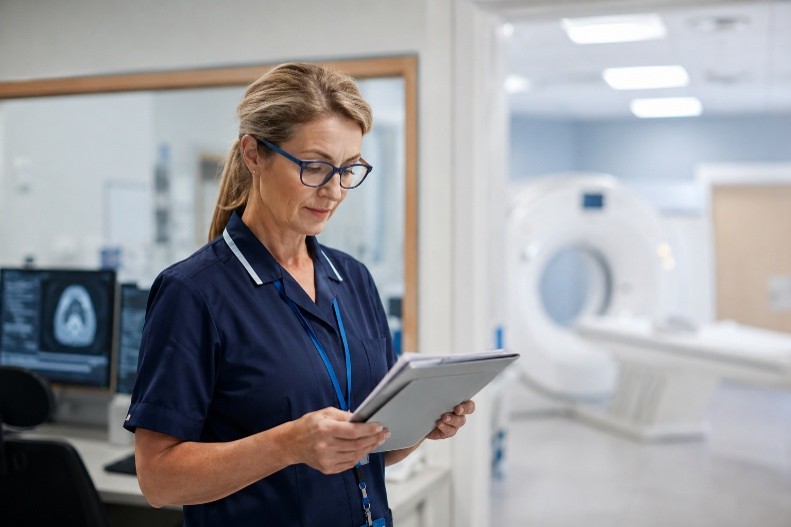
This event brought together colleagues from across rapid cancer diagnostic services to explore sustainable pathways, improve referral and triage decisions, and support patients with vague or non-specific symptoms.
Martin Downey, Rapid Cancer Diagnostic Service Clinical Lead and Associate Medical Director for Access at NHS Lanarkshire, was joined by Clinical Nurse Specialists Jacque Douglas, Rachel Thomson and Claire Miller. They shared practical insights from their experience of developing and delivering rapid cancer diagnostic services.
Attendees learned from real-world service experience, discussed common challenges with peers and explored practical approaches to strengthening service models, improving referral criteria, using investigations appropriately and building effective MDT support around complex diagnostic pathways.
Build your service knowledge
5 CPD hours: Practical Pathway Improvement
This event explored practical approaches to strengthening rapid cancer diagnostic pathways, with a focus on service sustainability, referral criteria, triage, investigation decisions and effective MDT working for patients with non-specific symptoms.
The session covered:
- Understanding how rapid diagnostic services are set up, managed and funded
- Building stronger business cases to demonstrate value and support future funding
- Reviewing referral criteria, GP referrals and triage to help ensure patients are directed to the most appropriate pathway
- Using CT, qFIT and urgent investigations appropriately to help reduce serial investigations
- Managing patients with non-specific symptoms who do not fit tumour-specific pathways
- Supporting appropriate investigation decisions through realistic medicine and shared decision-making
- Strengthening MDT working across CNSs, navigators, advanced practitioners, radiology, GPs and specialist teams
The event provided a practical opportunity for delegates to reflect on current pathways, share approaches and consider how services can be strengthened to support timely, appropriate and sustainable cancer diagnosis.
Live online learning
Share challenges and take away practical next steps
This interactive online workshop provided an opportunity to reflect on current rapid diagnostic pathways and identify realistic opportunities for service development and improvement.
Throughout the day, delegates had the opportunity to:
- Connect online with colleagues working across rapid cancer diagnostic pathways
- Take part in guided discussions on sustainability, referral criteria, triage, investigations and MDT working
- Ask questions and gain practical guidance from Martin Downey and the NHS Lanarkshire CNS team
- Take away realistic next steps to strengthen rapid diagnostic pathways within their own organisations
In-house training
Available as bespoke training to teams of 25 or more people. Please do contact us if you would like this course delivered exclusively to your team, with the content developed to drill into the specific needs of your service. Please email Sarah Kemm or call 01732 897788 for further details.
Learning & development
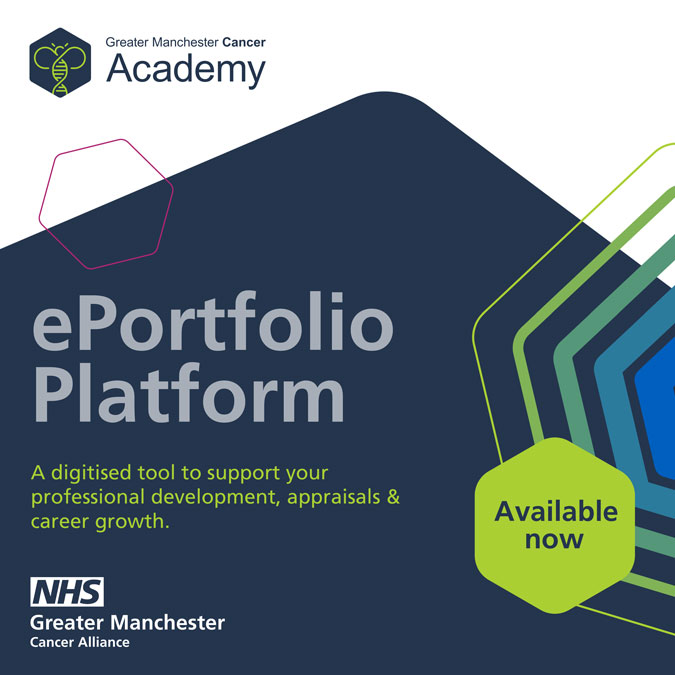
Oncology National Networking Forums are pleased to be featured on the ACCEND Greater Manchester ePortfolio
The ePortfolio platform is available via the Greater Manchester Cancer Academy and supports professional development in cancer care.
This forum and all of our events are mapped to the ACCEND Framework and can be recorded in the Greater Mancester ePortfolio to help you evidence your learning, reflections and competencies.
To find out more, click on the ACCEND tab.
| 9:00 |
Registration, technical support and networking opportunity
|
| 9:30 |
Introduction, instructions and course leader’s opening remarks
Martin Downey, Rapid Cancer Diagnostic Service Clinical Lead and Associate Medical Director for Access, NHS Lanarkshire
|
| Strengthening the future of rapid diagnostic services | |
| 9:40 |
Building sustainable service models
|
| 10:10 |
Questions and answers with Martin Downey and the NHS Lanarkshire CNS team
|
| 10:20 |
Interactive discussion: Exploring future funding and service stability
|
| 10:40 |
Feedback from interactive discussion: Exploring future funding and service stability
|
| 10:50 |
Screen break
|
| Improving referral criteria, triage and diagnostic flow | |
| 11:00 |
Designing clearer referral, triage and investigation pathways
|
| 11:30 |
Questions and answers with Martin Downey and the NHS Lanarkshire CNS team
|
| 11:40 |
Interactive discussion: Strengthening decision-making as referral demand grows
|
| 12:00 |
Feedback from interactive discussion: Strengthening decision-making as referral demand grows
|
| 12:10 |
Lunch break
|
| Making appropriate decisions in the vague symptom pathway | |
| 12:40 |
Balancing investigation, reassurance and shared decision-making
|
| 1:10 |
Questions and answers with Martin Downey and the NHS Lanarkshire CNS team
|
| 1:20 |
Interactive discussion: Managing younger patients with confidence
|
| 1:40 |
Feedback from interactive discussion: Managing younger patients with confidence
|
| 1:50 |
Screen break
|
| Strengthening MDT working and service learning | |
| 2:00 |
Building the right support around your rapid diagnostic pathway
|
| 2:30 |
Questions and answers with Martin Downey and the NHS Lanarkshire CNS team
|
| 2:40 |
Interactive discussion: Turning learning into practical next steps
|
| 3:00 |
Feedback from interactive discussion: Turning learning into practical next steps
|
| 3:10 |
Course leader’s closing remarks
|
| 3:20 |
Close of day
|
With thanks to the speakers

Martin Downey
Rapid Cancer Diagnostic Service Clinical Lead and Associate Medical Director for Access
NHS Lanarkshire
Jacque Douglas
Clinical Nurse Specialist
NHS Lanarkshire
Rachel Thomson
Clinical Nurse Specialist
NHS Lanarkshire
Claire Miller
Clinical Nurse Specialist
NHS Lanarkshire
Who came?
This online workshop was designed for professionals involved in developing, delivering or improving rapid cancer diagnostic pathways for patients with vague or non-specific symptoms. Attendees included the likes of:
- Rapid Diagnostic Centre and Rapid Cancer Diagnostic Service Leads
- Clinical Leads and Consultants involved in cancer diagnostics
- Clinical Nurse Specialists, Advanced Nurse Practitioners and Pathway Navigators
- Radiology, imaging and diagnostics colleagues
- Operational Leads, Service Managers and Pathway Improvement Leads
Past attendee feedback
This workshop buillt on SBK’s previous events supporting teams to develop, sustain and improve rapid diagnostic services. Attendees value the opportunity to hear from knowledgeable speakers, share experience with peers and explore practical approaches to service development, pathway improvement and sustainability. Hear how previous participants have benefited:
About the ACCEND Framework
The ACCEND Framework is designed to enhance cancer care by providing a structured approach to education and professional development for healthcare professionals.
- It defines the essential Cancer Capabilities in Practice (CiPs) and offers a tailored educational structure to support progression at every stage of a cancer care career.
- Launched in January 2023, the framework aims to transform career pathways and improve training and development opportunities across the cancer workforce.
- It provides access to the education and training needed to meet role-specific competencies and includes dedicated resources for nurses, allied health professionals and those in cancer-related support roles.
- The ACCEND Framework delivers a nationally agreed career and education structure underpinned by clearly defined capabilities in practice.
Map your learning
All Oncology National Networking Forum courses listed on the ACCEND Greater Manchester ePortfolio are fully aligned with the ACCEND Framework.
You can easily log your attendance and map your learning to the Cancer Capabilities in Practice (CiPs) through the ACCEND Greater Manchester ePortfolio.
To do this:
- Register and log in to the Greater Manchester ePortfolio
- Click ‘Add Entry’
- Select 'Choose an item from the library'
- Change the provider to Oncology National Networking Forums
- Choose the relevant event you have attended (or plan to attend)
This tool offers a central space to track your professional development, reflections and achievements - supporting your ongoing career in cancer care.
Click here to access the Greater Manchester ePortfolio
Sponsorship engagement
Our role at SBK Healthcare is to bring industry together with healthcare professionals so that you can educate and inform your audience. These trail-blazing oncology delivery forums offer dedicated presentations, Q&A, networking and discussion time, each sponsor will be fully immersed into the event and able to effectively engage with your NHS audience.
Your event, managed by us
SBK Healthcare also provides in-house forums. Working closely with you as the client we can research, produce, market and deliver the conference or online forum that best suits the audience and meets your goals.
Reach out today
If you would like more information on our sponsorship options an in-house forum or if you wish to discuss your needs and what solutions may be appropriate for your business, please contact:
Vanessa Jarman
Contact: 01732 897788
Email: Vanessa.Jarman@sbk-healthcare.co.uk