Take one day to focus on how to deliver the best care for patients undergoing breast cancer treatment.
Participants joined Dr Neha Chopra, Consultant Medical Oncologist, for this online, interactive workshop designed to boost confidence and deepen understanding of the complexities involved in managing toxicities from breast cancer treatment pathways. NHS peers working on the breast cancer pathway from across the country came together for case-based learning and engaging discussions. Attendees left the workshop with practical knowledge and skills to enhance their clinical practice, effectively manage treatment-related side effects, and provide the highest level of support to their patients throughout their breast cancer journey.
Improve your practice
Participants enhanced their knowledge through expert-led, structured NHS learning.
Teams were equipped with actionable insights and the skills needed to deliver elevated care to patients experiencing treatment-related toxicities:
- They deepened their understandingof chemotherapy, immunotherapy, ADCs and targeted therapies of chemotherapy, immunotherapy, ADCs and targeted therapies, including mechanisms of action, patient selection and toxicity profiles
- They gained practical skills to identify, monitor and manage treatment-related toxicities effectively
- They applied their knowledge to real-life clinical scenarios through case studies and breakout discussions
- They connected with peers, shared experiences and exchanged practical insights to strengthen their multidisciplinary approach to breast cancer care
- explored techniques to educate, empower and support patients and familiesThey explored techniques to educate, empower and support patients and families, improving communication and encouraging early symptom reporting
Convenient remote learning
Participants gained 5 CPD hours.
Designed as an interactive and practical learning experience, this dedicated training equipped attendees with the knowledge, tools and strategies to drive meaningful change:
- They joined online to connect with like-minded professionals from across the country
- They took part in hands-on exercises, guided discussions and collaborative idea-sharing
- They asked critical questions and gained valuable guidance from the course leader
- They deepened their understanding of treatment toxicities and best-practice interventions
Available for in-house training
Available as bespoke training to teams of 25 or more people. Please do contact us if you would like this course delivered exclusively to your team, with the content developed to drill into the specific needs of your service. Please email Sarah Kemm or call 01732 897788 for further details.
Learning & development
Oncology National Networking Forums are pleased to be featured as part of the ACCEND Framework
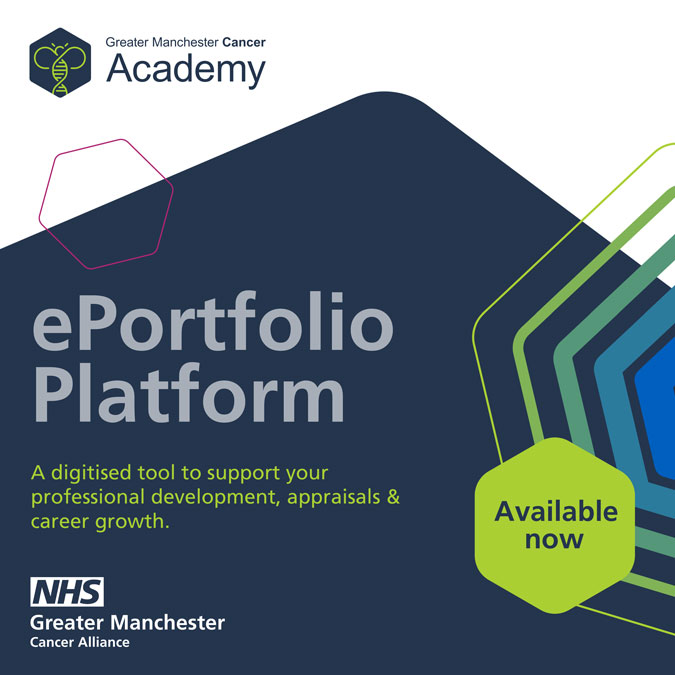
The ePortfolio platform is available via the Greater Manchester Cancer Academy and supports professional development in cancer care.
This forum and all of our events are mapped to the ACCEND Framework and can be recorded in the ACCEND ePortfolio to help you evidence your learning, reflections and competencies.
To find out more, click on the ACCEND tab.
| 9:00 |
Join, tech support and opportunity to network in breakout rooms
|
| 9:30 |
Course leader’s opening remarks
Dr Neha Chopra, Consultant Medical Oncologist, Royal Free London NHS Foundation Trust
|
| Chemotherapy | |
| 9:40 |
Enhancing confidence in chemotherapy treatment and managing toxicities
|
| 10:20 |
Questions and answers with your course leader
|
| Immunotherapy | |
| 10:30 |
Understanding immunotherapy in breast cancer: eligibility, toxicities and response
|
| 11:10 |
Questions and answers with your course leader
|
| 11:20 |
Screen break
|
| 11:30 |
Interactive discussion: Elevating care with effective management strategies
|
| 11:50 |
Feedback from interactive discussion: Elevating care with effective management strategies
|
| Antibody- Drug Conjugates | |
| 12:00 |
Optimising care when being treated with Antibody–Drug Conjugates (ADCs)
|
| 12:40 |
Questions and answers with your course leader
|
| 12:50 |
Lunch break
|
| Targeted therapy | |
| 1:20 |
Building practical strategies for patients undergoing targeted therapy
|
| 2:00 |
Questions and answers with your course leader
|
| 2:10 |
Interactive discussion: Improving support and patient education
|
| 2:30 |
Feedback from interactive discussion: Improving support and patient education
|
| 2:40 |
Screen break
|
| Applying actionable insights for proficient patient care | |
| 2:50 |
Case-based learning workshops. Work through a clinical case related to one of the treatment pathways discussed earlier:
|
| 3:20 |
Case-based learning workshops: feedback and key takeaways
|
| 3:40 |
Close of day
|
With thanks to the speakers
A unique forum packed with examples of best practice, novel ideas and expert advice from:

Dr Neha Chopra
Consultant Medical Oncologist
Royal Free London NHS Foundation Trust
Who came?
This online training course was ideal for all healthcare professionals working on the breast cancer pathway to build on knowledge and skills in identifying and addressing toxicities associated with chemotherapy, immunotherapy, ADCs, and targeted therapies.
We were joined by the likes of:
- Breast Cancer Nurse Specialists and Nurses
- Medical Oncologists
- Radiologists
- Radiographers and Sonographers
- Registrars
- Allied Health Professionals
- Pharmacists
In-house training: Available as bespoke training to teams of 25 or more people. Please do contact us if you would like this course delivered exclusively to your team, with the content developed to drill into the specific needs of your service. Please email Sarah Kemm or call 01732 897788 for further details.
Past attendee feedback
This day followed our past ‘excellent’ Breast Cancer events! Don’t miss out, just hear about how much the past attendees enjoyed our training:
About the ACCEND Framework
The ACCEND Framework is designed to enhance cancer care by providing a structured approach to education and professional development for healthcare professionals.
- It defines the essential Cancer Capabilities in Practice (CiPs) and offers a tailored educational structure to support progression at every stage of a cancer care career.
- Launched in January 2023, the framework aims to transform career pathways and improve training and development opportunities across the cancer workforce.
- It provides access to the education and training needed to meet role-specific competencies and includes dedicated resources for nurses, allied health professionals and those in cancer-related support roles.
- The ACCEND Framework delivers a nationally agreed career and education structure underpinned by clearly defined capabilities in practice.
Map your learning
All Oncology National Networking Forum courses listed on the Greater Manchester Cancer Academy’s ACCEND ePortfolio are fully aligned with the ACCEND Framework.
You can easily log your attendance and map your learning to the Cancer Capabilities in Practice (CiPs) through the ACCEND ePortfolio.
To do this:
- Register and log in to the ePortfolio
- Click ‘Add Entry’
- Select 'Choose an item from the library'
- Change the provider to Oncology National Networking Forums
- Choose the relevant event you have attended (or plan to attend)
This tool offers a central space to track your professional development, reflections and achievements - supporting your ongoing career in cancer care.
Click here to access the ePortfolio
Sponsorship engagement
Our role at SBK Healthcare is to bring industry together with healthcare professionals so that you can educate and inform your audience. These trail-blazing oncology delivery forums offer dedicated presentations, Q&A, networking and discussion time, each sponsor will be fully immersed into the event and able to effectively engage with your NHS audience.
Your event, managed by us
SBK Healthcare also provides in-house forums. Working closely with you as the client we can research, produce, market and deliver the conference or online forum that best suits the audience and meets your goals.
Reach out today
If you would like more information on our sponsorship options an in-house forum or if you wish to discuss your needs and what solutions may be appropriate for your business, please contact:
Vanessa Pearce
Contact: 01732 897788
Email: vanessa.pearce@sbk-healthcare.co.uk